Rice was never on the menu growing up. Put simply, it was peasant food, according to my father.
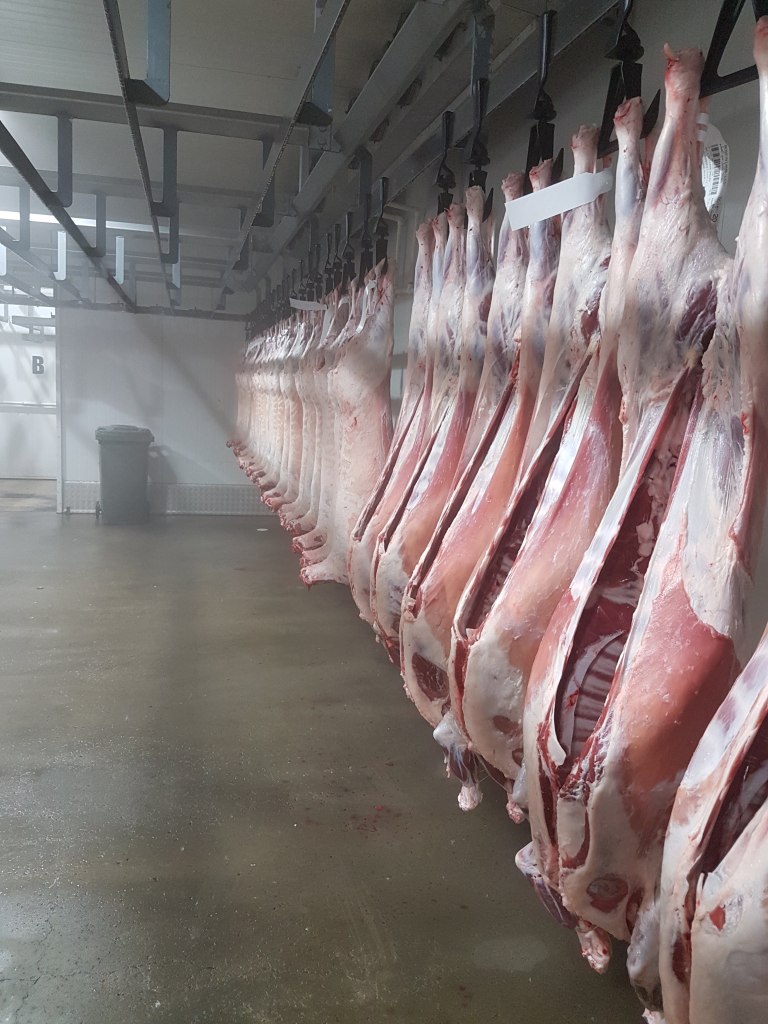
I remember getting picked up from school one day in the old purple valiant, and my father had a lamb on the back seat of the car. I was super pumped, “oh great, we finally have a pet” or something like that I would have thought to myself.

My school, Riverside primary, was adjacent to the local ‘Roelf Vos’ supermarket, a now extinct Tasmanian supermarket chain. We scooted inside to get whatever supplies my father was chasing that day and when we returned to our vehicle there was shit all over the back seat.
A lovely warming spring day in Tasmania that nicely baked the essence of lamb shit all through our classic old purple Valiant was enough to send my father into a very rare rant of expletives.
I don’t remember seeing that lamb again, he or she wasn’t to be our pet, yet I am certain I got to taste the sweetness of its charred remains after it was charred under the homesteads char-grill.
Our food was extremely bland growing up, yet we ate like royalty. Wholesome, unprocessed protein was a staple for my father, his family, and his friends.
Rice was only something I remember seeing on TV commercials growing up. On Kan-Tong or Chicken tonight ads. I hold no intrinsic attachment to rice of any description!
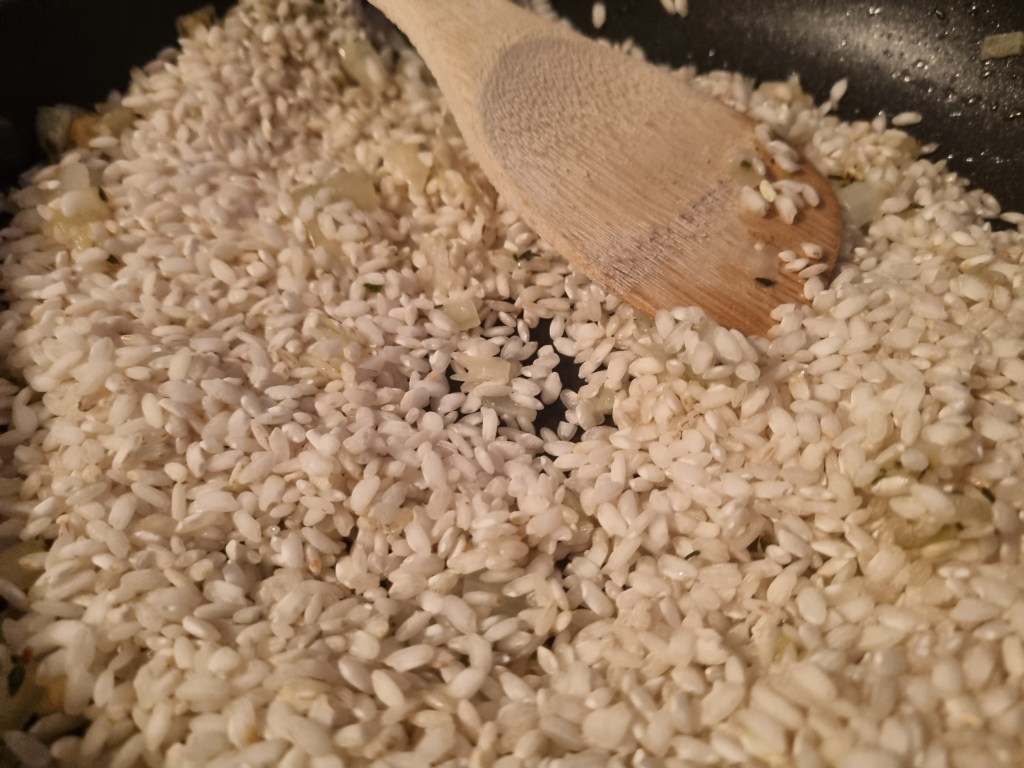
Risotto, a dish produced from arborio rice, is one of those dishes that every single chef does differently that I have worked under. They all claim that their way is the best, most traditional way, yet none of the chefs I worked under have ever actually cooked in Italy, and I’ve never cooked there myself. Yet both aforementioned points have not saved me from countless hours of degrading and ridicule over this Italian food staple, and my attempts to recreate their variations of what I consider to be a sloppy mess.
Rice things sure are a big fuss though these days. In my home town of Launceston, one of the more fussed over menu items I have come across seem to be arancini balls! Some of the people I have worked with fucking rave over their arancini balls. Over cooked wet rice bubbles, rolled into balls, pumped with cheese and garlic, then crumbed and deep fried. “Just have some chips you fucking savages” I have thought to myself too many times.
I had come to the conclusion that some homework was required in order to understand what the fuss is about. “Rice is peasant food boy!” my father used to say. I need to do some background checks to help me understand.
# Check out my arancini recipe if you’re tired of my dribble –
For over 10,000 years, humans have been refining rice crops, through selection of more favourable strains that grow better than others.
Rice is considered one of the early favoured food sources our ancestors turned to at the end of the last ice age. All the mega-fauna had died out, and we basically had to start growing our own food, or we would have simply stayed a primitive species and possibly have starved to death.
Rice is extremely versatile, while it has great storage capacity as it is easy to dry, then store for a rainy day. I would be easy to envision the Mongol armies of the 12th and 13th centuries, marching all over Asia, Asia minor and eastern Europe, on bellies full of rice.
Risotto, the dish produced from medium sized rice granules, has been popularised in the modern world by the Italians. Risotto rice, or arborio rice, was recorded to have been brought forth to the swamp lands of the Po River Valley, in Italy, from Sicily, while being brought forth to Sicily from the Islamic kingdom around 600-900 AD. I would safely say that the original origins of risotto rice are highly debatable. Lets just go with the Italians got hold of arborio rice at a market somewhere in the Mediterranean somewhere in history, then perfected it better than anyone else.
The mighty arancini, a stuffed ball of rice, I will safely say can be traced back to the Island of Sicily. The Arancini and its Sicilian origins, having been accepted as legitimate enough to be recognised by the oxford dictionary, are Sicilian.
The oxford university press describes arancini as “rice balls”, “stuffed with a savoury filling, crumbed & deep fried”. Arancini’s are recognised as specifically hailing from Catania, and are popular in western Sicily, while being presented in a cone shape.
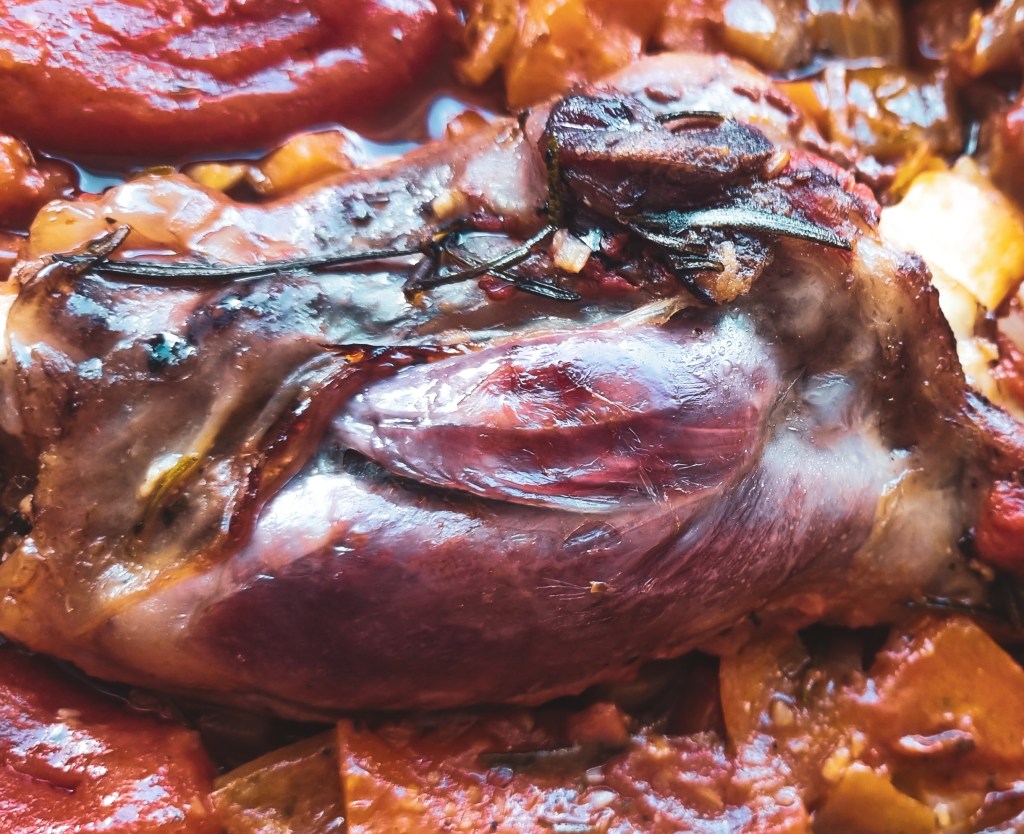
While we cannot place an exact, definitive origin on the mighty arancini, records state that during the Arab domination of the island of Sicily from the 9th to the 11th century. These invaders apparently had a habit of rolling rice mixed with saffron in the palm of their hand, then seasoning the rice with lamb.
The word arancini arrives in the form of it being a plural diminutive of aranciu, or put simply, the word translates to these golden balls of goodness meaning ‘orange’, given its orange like shape and appearance once cooked.
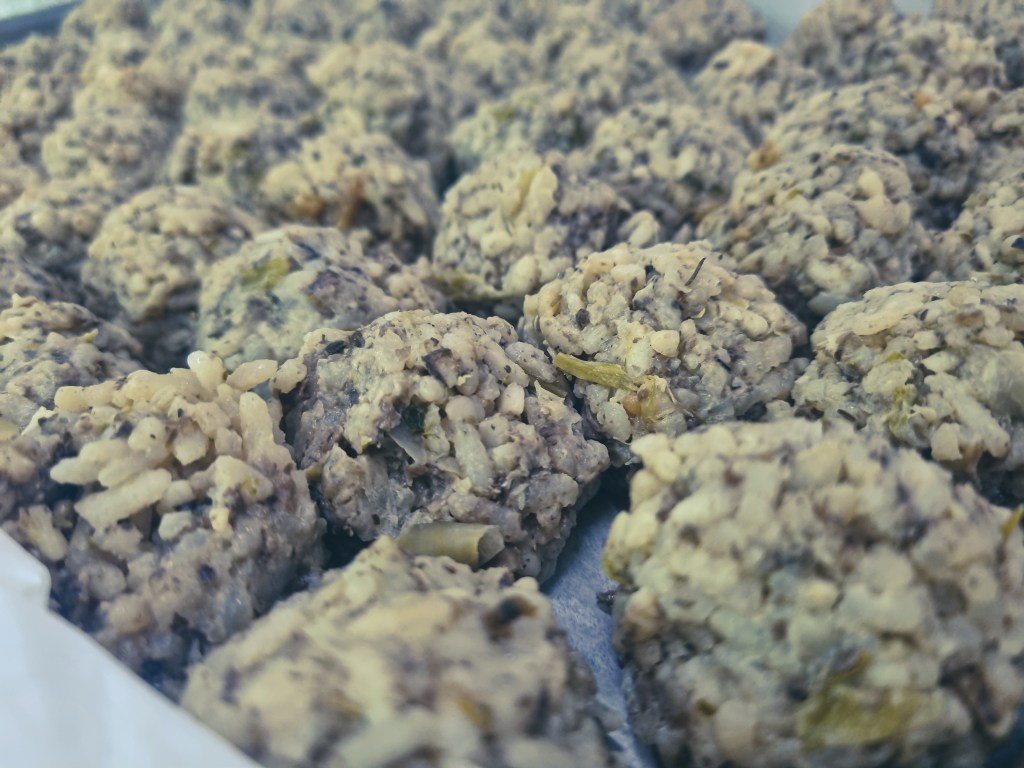
The arancini is traditionally served stuffed with cheese, or ragout, and are a very popular street food in Sicily, and other parts of southern Italy.
…
So clearly, the mighty arancini holds a significant amount of intrinsic value to a significantly historic region of the Mediterranean sea. From the Arab empire states hundreds of years ago, to the now Italian province so famous for its links to the Mafioso in the US of A.
I performed a public survey in Launceston on what people thought of arancini balls, and where they thought they could consume the best ones in my home town.
After around 80 votes, just a touch over half of those that voted had never consumed arancini in Launceston, while the Gorge café, situated at the cataract Gorge, was tied first as having the best arancini on offer.
It appears that arancini balls are not as popular in Launceston as I had thought, yet non the less, people do enjoy them, and they considered the national food of the people of Sicily.
Given global rice consumption was at around 509 million metric tonnes in the financial years 20021-22, it is safe to say that the vast majority of the worlds population is happy and content to consume rice.
We certainly ate like kings growing up, with our vast access to rich protein meat types. Yet as much as I hold no intrinsic attachment to rice, nor did I hardly ever touch it as a child, we were just as much peasants as the vast amount of the worlds population.
The homework performed, and knowledge I have acquired through this project has enlightened me to the world of rice, and the medium grain variety commonly known as risotto once prepared.
I still have no intentions of ordering rice, or a rice dish next time I dine out, but I hold much more respect for all things rice.
Recomendations-
Check out the Basin café, or Matsons catering for some of the best arancini in Launceston.
Other links-
You read a bit about my history here, you can’t fly with the eagles, dressed like a seagull.
Make your own pizza, Kiss pizza
References-
https://www.statista.com/statistics/255977/total-global-rice-consumption/
https://en.wikipedia.org/wiki/Arancini
https://www.italymagazine.com/featured-story/arancini-enters-oxford-english-dictionary
Michael J. Kovach, Megan T. Sweeney, Susan R. McCouch, New insights into the history of rice domestication, Trends in Genetics, Volume 23, Issue 11, 2007, Pages 578-587,

 Tales of a Tassie Chef
Haha, I loved reading this, thanks for a great post. I think one of the great realisations from experience is that the ‘peasants’ have all the best food!
LikeLike
Thanks for the compliment Kevin. We surely do have the best cuts mate 🤘
LikeLiked by 1 person