“Want some truffles Jimmy” quipped the boss man one cold, damp and eyrie winter night, in the Tasmanian midlands.
“Chocolate ones, or the fungus variety boss” I replied.
“The expensive fungus ones Jimmy, how much do you want” the boss retorted.
Playing with truffles would have been the furthest thing from my mind at that point in time.
A newborn baby at home, as well as four, five course degustation menus to produce over the coming four weeks was enough!
Plus, I had found a component titled pork floss for my pork menu that Friday night and I didn’t want anything steeling the show from Miss Piggy pork floss.
My first menu was coming along okay, and the ‘dinner by candle light’ event seemed to be attracting a good amount of attention.
Tasmania’s winter period is somewhat of a ‘death zone’ for restaurants in Tasmania, especially a country pub like us. Most places need to do something different to help caress locals to venture out, and candle light dinners with a five-course degustation would hopefully help boost the cash flow, but truffles had never crossed my mind.
I had only ever played with them once previously, for my ex-wife’s birthday one year, and I was about as competent with the famed truffle as a canary would be playing cricket!
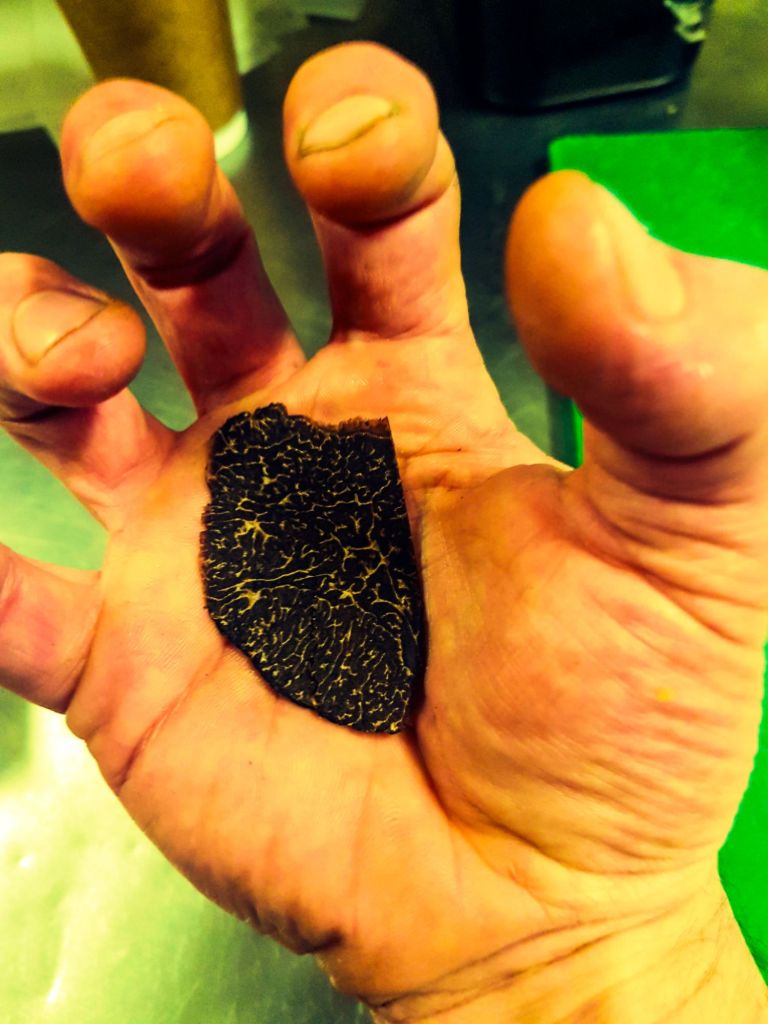
“Why not though” I pondered to myself. I had come out to the bush to cook parmigiana with chips and salad and live an existence of obscurity, while returning home to my brood daily, smelling like a deep fryer, five days a week.
I have always had this mentality though of wanting to bring everything, and anything, to its highest point of potential, myself included!
Plus playing with all foods, everything, is what I do for a living!
The fact I would get bailed up about my parmi’s with chips and salad every time I went anywhere in the local vicinity proved I was on track of doing what I had planned! Turning this country pub into the best bistro in the land.
If I had taken the place this far from a closed down backpacker pub, why not play with some truffles?
#If you do not want to read the rest of my story, check out my truffle salt recipe.
…
The subterranean truffle, not the chocolate sweet variety procured from the coco bean, but the fruit of the ascomycete fungus, the ones that grow at the base of oak trees grow rather magnificantly down ere in little ol Tassie.
Truffles are predominantly a species of tuber, and they form through the process of being consumed by fungivores, while entwined within the root systems of oak trees, making them an ectomycorrhizal fungus variety.
Truffles were first recorded as being consumed in the 21st and 20th centuries B.C. by ‘The third dynasty of Ur’, in Mesopotamia, and their usage can be found littered throughout history ever since.
They started to gain societal traction during the renaissance periods of 1500 to 1600 A.D. after being honored in the court of ‘King Frances I of France’.
Aristotle was a keen advocate of truffle usage as an aphrodisiac, for which his comrade Pythagoras agreed with.
Ancient Greek culture also references truffles as being ‘warts of the earths skin’, for being the ‘sons of sorcerers’, as well as being known to be the ‘offspring of witches’.
One thing is for certain amongst the Greeks tall tales of mythology, and that was that truffles are good for the taste buds and senses.
A gentleman titled ‘Joseph Talon’ had long been regarded as the first person to take ‘truffle laced’ oak tree saplings as a means to potentially cultivate truffles in 1808.
More recently a chap titled ‘Pierre II Maukion of Louden’ has been credited for being the first humanoid to successfully plant a pasture of truffled Oak trees, around 1790, for which produced the elusively hard to cultivate truffle fruits for the first time in an agricultural setting.
Esteemed French Gastronome, Jean-Anthelme Brillat-Savarin, titled them the ‘diamond of the kitchen’, while also mentioning in his musings that truffles were forever present at the tables of esteemed noblemen, with many a fine lady in tow.
The cultivational process of truffles is a long process, one that takes around seven to ten years after planting, to being able to acquire their first fruits.
Truffles, from a chef perspective, are considered to be at the very pinnacle of culinary pleasures for customers to enjoy. They are expensive and carry a distinctively pungent aroma that sticks to the adjacent areas humidity like mud does to your clean pants on a cold and wet Tasmanian winter day.
Truffles are served well with lightly pungent dishes like pasta or scrambled eggs, while they are commonly preserved in cheeses, honeys, oils, salts and even vodkas!
I have only ever shaved them on dishes for good effect, yet they can also be inserted into slithered meats, then baked.
Word on the street is they also go well with foie gras.
…
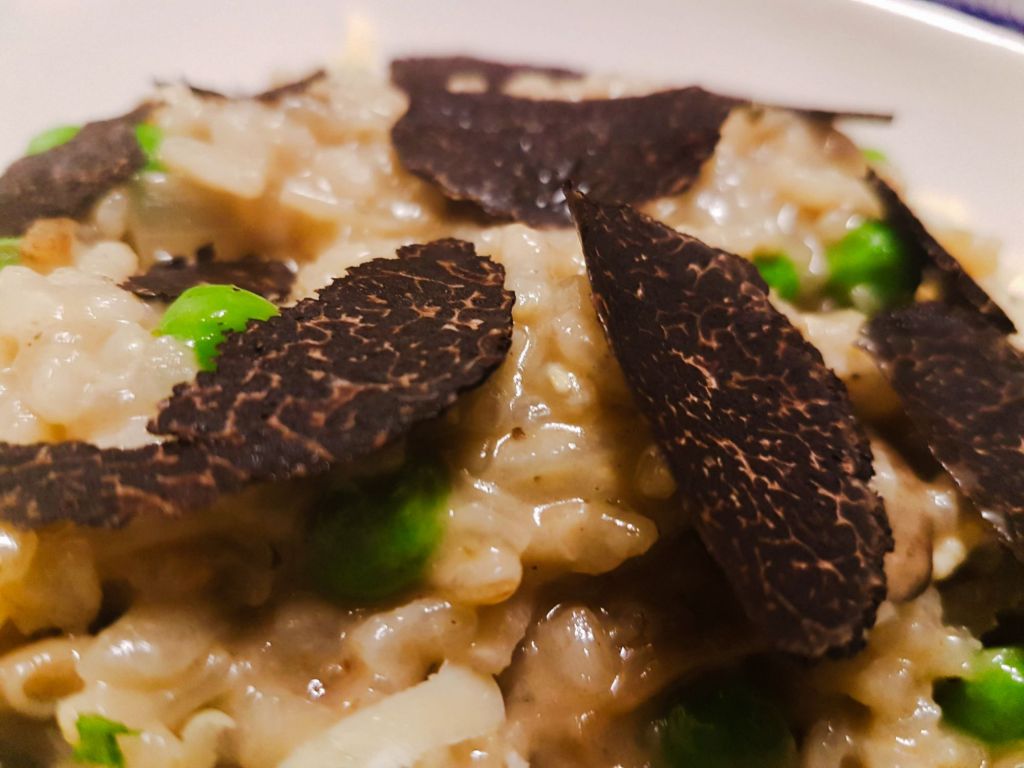
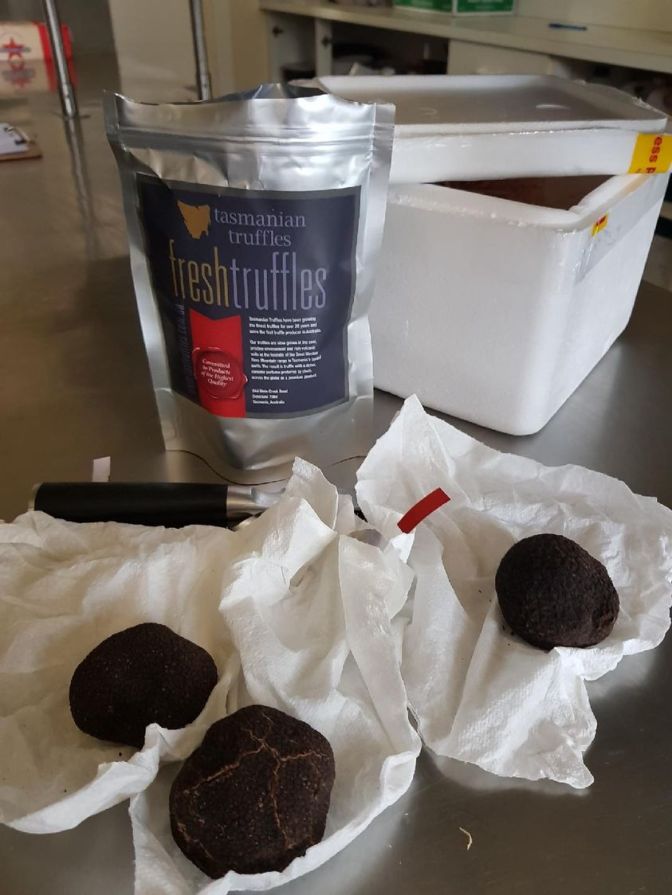
So our candlelight dinners went well, and safe to say my knowledge of truffles was brimming with experience after playing with two hundred and fifty grams of Tasmanian truffles, from ‘Tasmanian Truffles’ (pun intended).
Of all the random things I ended up putting together on menus, a staff meal ‘carbonara’ was my was easily the dominant show stopper.
Bacon, butter, some herbs of the I can’t remember variety, linguini, an egg whipped through just before plate up, then a decent dose of the famed fungus.
All the great things are typically the simpliest, and this was no exception.
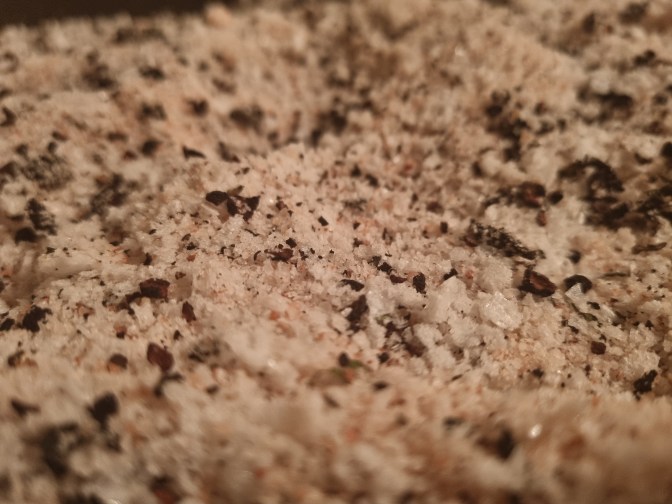
In the end I was forced to freeze down around one hundred grams of our truffle, for which I ended up turning into truffle salt.
Now the market value of ‘Truffle salt” was mind blowing at the time (2018).
Roughly $300 for a kilo of truffle salt was the going rate, generally sold in small batches at 100-120g with a truffle ratio of 1-5%.
The market on ‘truffle salt’ appeared lucrative yet saturated with many a novice delicatessen trying to move their product at a hefty price.
I worked out that with my 2.5kg bag of sea salt, for which I had incorporated 100g of truffle into, would fetch me around $4000 when broken down into 50g and 100g batches.
The ‘truffle’ business could potentially set any smart business person up for life, if you had the connections to get you into the right markets.
The north of Tasmania has quite a truffle producers.
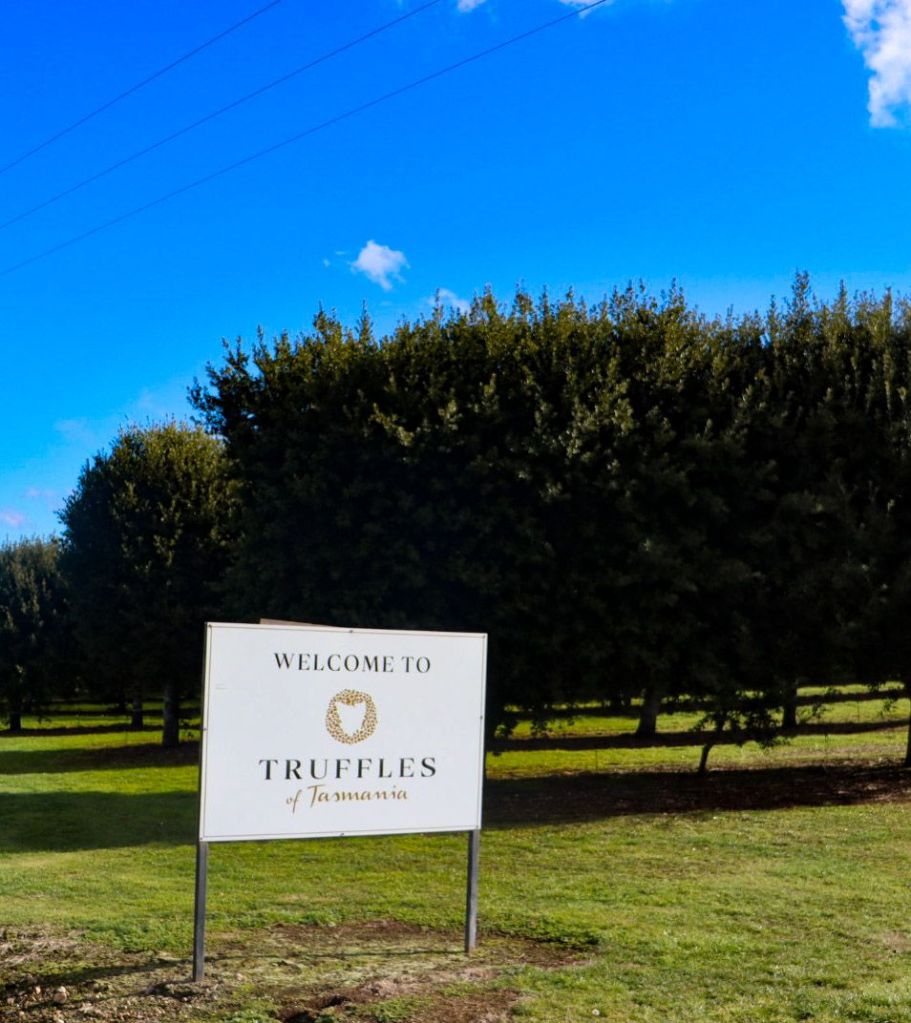
Tasmanian Truffles, Truffles of Tasmania, Tamar Valley Truffles, to name just a few.
UPDATED – October 4th, 2025
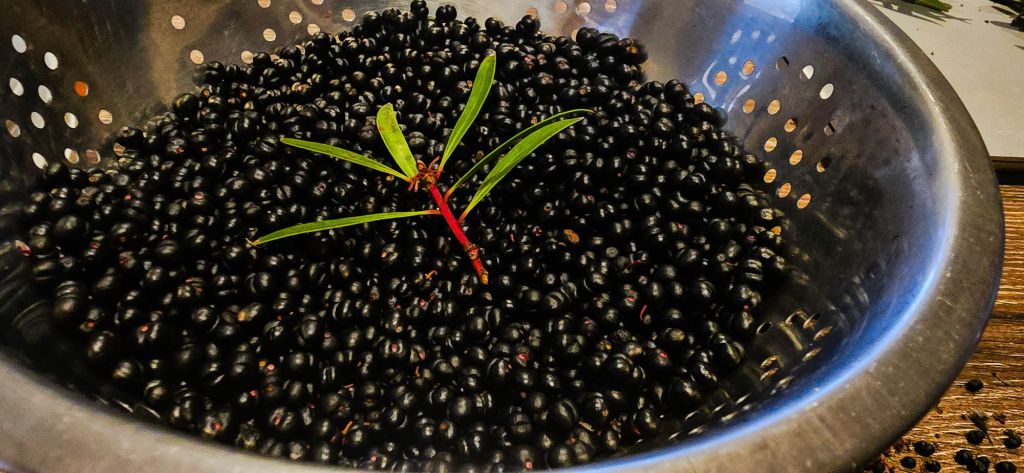
They say great minds think alike, and how chuffed I was when instagram feed me with a promotion from Truffles of Tasmania promoting their truffle and pepper berry salt.
As I had made a similar salt for this blog, I had to get me mits on sum of theirs.
And I tell ya what, their salt shit all over mine! Flavour impact, aroma, the general enhancment of anything I added it to was nothing short of elite.
Except for ice cream. That didn’t work, I DO NOT recommend. But everything else was the prime time 👌
Get on the link/s provided and give some truffle aromatics a go, you won’t be disappointed.
And as far as bacon floss goes, that little miss piggy variation is still waiting for someone to make her the star of their show.
#Check out my truffle salt recipe.
References-
Where to buy-
#Pickle pro-tip: As much as truffles have a super pungent aroma, that aroma is really hard to capture if you cook it too much. Transposing the flavour into a salt or similar stabiliser, or simply shaving it over your dish is the best way to go with it. Matching it with other fungi also a great way to create something truly special.

 Tales of a Tassie Chef
Chef, you mention that you had a 2.5kg bag of salt of which you infused 100g of fresh truffle, however then in your recipe you only use a total of 1.25kg of salt to 100g of truffle. Which ratio would you recommend?
LikeLike
The story, work variation was the more pungent truffle salt, so I would go with that one. The recipe one, which I created at home, I believe was less pungent in truffle as it was competing with the pepper berries. Use as much as you want though chef, unless you making cakes or or pastries, cooking is more about philosophy than simply following a recipe. Best of luck with it mate🤘
LikeLike