
“3 rounds of whole meal, spread to the edges boy, remember. And a coffee, black, 2 sugars”
This was my dads breakfast, 8 days a week, and all three hundred and sixty-five days of em’.
Dad would sleep in on Saturdays, and when we wanted our 2 bucks pocket money, we would have to make him his breakfast.

I was never really a fan of the whole meal bread, the margarine, or coffee (I wasn’t allowed to drink coffee anyway), but marmalade was the good stuff.
I would occasionally devour some marmalade, but I would pick out the rind and put it back in the jar when I did.
I got scolded a couple of times after my dad went to make his toast himself, and all that was left in the jar was orange rind.
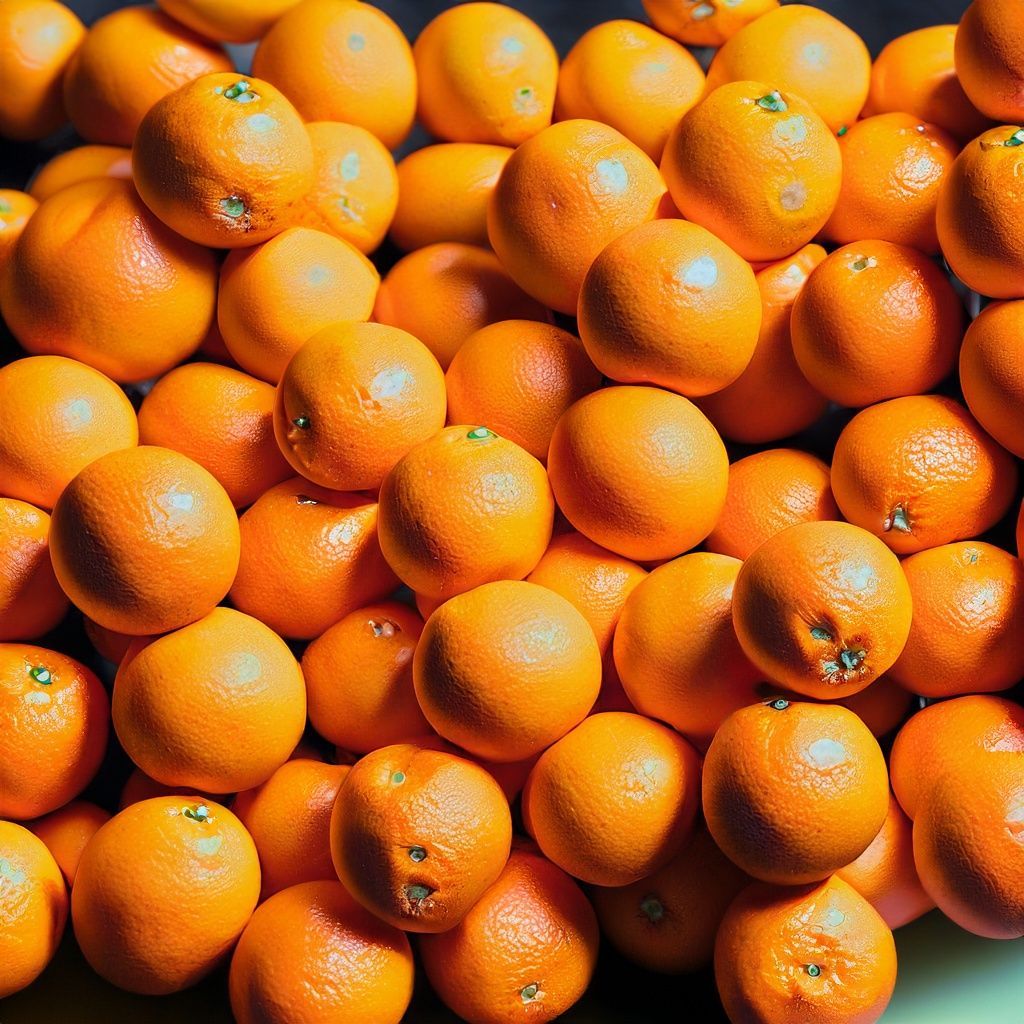
Marmalade is the good gear.
The lemon and lime ones were okay from time to time, but the traditional orange variety was always the optimal choice.
Traditionally, marmalade is a preserve made from citrus, for which is boiled with sugar and water.
Scotland, my fathers homeland, is credited as being marmalade’s country of creation, yet records indicate marmalade has been brewed since ancient Greek and Roman times.
The word marmalade translates from the Portuguese word ‘marmelo’, for which means quince in Portuguese.
Therefore, marmalade traces back to being some sort of quince paste, with historical documents indicating that quince paste, or jam, was the inspiration behind marmalade.
But it would be safe to say that Scotland brought marmalade to the world.

These early documents describe punter’s adding citrus rind to their preserves and jams in order to help them set.
The majority of the pectin found in oranges and other citrus fruits is indeed in the skin, so this aforementioned idea makes perfect sense.
Pectin is the key setting agent that sets the jam while also giving it a sort of soft, malleable texture.
It isn’t just the pectin though. Acidity also helps preserve the product, and season it, among other things. While sugar also helps to preserve it, and sweeten the product, among other things.
Of the numerous jams and preserves I have researched, for work purposes and general study endeavors, a 50/50 ratio (fruit/sugar) is required for ones marmalade, or jam to set at the minimum.
If you start getting more fruit than sugar, then you’re gonna end up with a runny, although very viscus sauce, as opposed to a set jam or preserve.
A Scottish brand of Marmalade became one of the first dominant international Marmalade producers back in the 18th century.
In the 1730s, a Mr. James Keiller acquired a cargo ship from Seville that contained numerous boxes of over ripe Seville oranges.
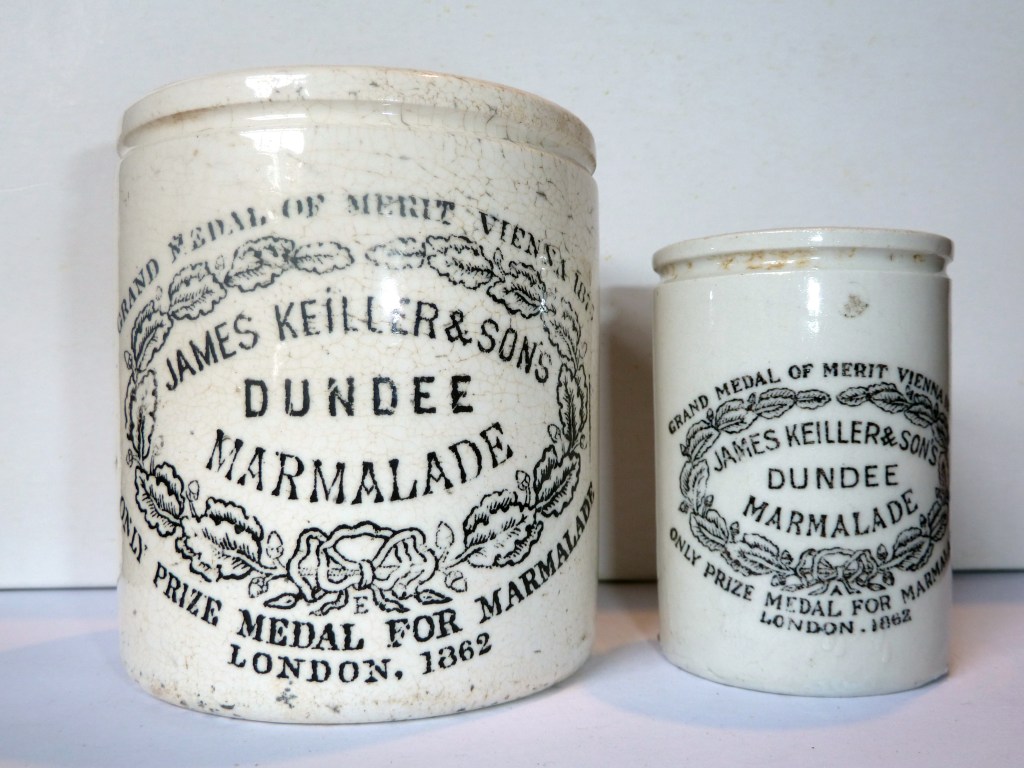
Together with his wife, they produced their first batches of orange preserves, for which included some of the rind in the finished product. In turn, Dundee marmalade was born, and during the 19th century their product was being shipped as far away as Australia and New Zealand.
These guys were apparently also responsible for the creation of the Dundee cake, a baked cake consisting of currents, sultanas and almonds.
Oranges have played a big part in western cultures also, for a very long time. Orange seeds have been found during excavations of Pompeii, Italy.
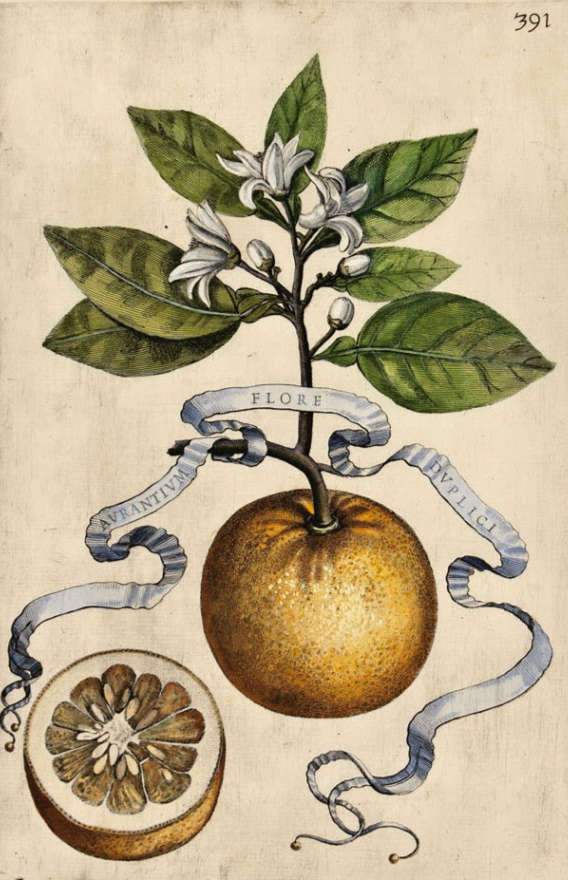
Oranges were known as a sign of opulence during the renaissance. While ancient scholars bestowed them as ‘golden apples’ of immortality, stolen by Hercules from the garden of Hesperides, as they were a fruit of Venus, the goddess of love.
Marmalade was a big part of my childhood, while also being a large part of many Scottish boys childhoods, given my fathers fondness for it at breakfast time.
I am a traditional chef by trade, being that I don’t typically specify in one particular form of cookery, I am expected to be fluent in all areas.
From baking, to butchery, to farinaceous, to anything that you put in your mouth for sustenance and flavorful purposes.
I am most fluent on the grill, but by ‘traditional chef’ I simply mean I am a jack of trades in a cooking sense.
I fortunately get to be involved in overseeing jam production for an employer, for which I have developed a much deeper understanding and respect for the art and chemistry that goes into jam making.

Check out this link here for Joanna’s Jams, they do a pretty good Whisky Marmalade.
If you feel like giving Marmalade a try yourself, here’s a link to recipe I put together for this story.
And make sure you spread your toast right into them corners cobba.
References-
https://en.wikipedia.org/wiki/Keiller%27s_marmalade
Oranges


 Tales of a Tassie Chef