A French chef Guillaume Tirel was the first one to prescribe the process, describing its preparation in his manuscript ‘Le Viandier’.
Followed by Bartolomeo Scappi, shortcrust pastry with its variations is now one of the most popular and widely used sweet recipes worldwide.
250g plain flour
80g caster sugar
120g softened butter
1 egg
Pinch baking powder
Blind bake (rice or rock salt)
Method
Place sugar, baking and flour into a medium-sized bowl and mix thoroughly.
Mix through butter until well combined wet, crumbly dough is achieved.
Add egg and mix through to form a homogeneous dough.
Work dough into a 1cm thick, round disc, in between a couple of sheets of grease proof paper. Rest in the fridge for 30 minutes until stiffened.
Line desired tart case with oil spray and a light sprinkling of flour.
Roll dough enough to protrude at least 2 cm from rime of the tart shell. This is best performed in between grease proof paper, with a light sprinkle of extra flour to prevent it from bonding to the paper.
Gently life the rolled dough on the bottom sheet of paper, and place it over tart case. You’ll have to bring the dough over the case, flip it, and then work it onto the shell so it fits snuggly. You’ll probably crack it and split it, but just work it back together.
Trim the edges of the tart shell to half a centimetre from its brim. Place into fridge and allow to set, roughly 30 minutes.
Take tart shell, line with grease proof paper, then add some blind bake and press it down into the tart to exclude air pockets
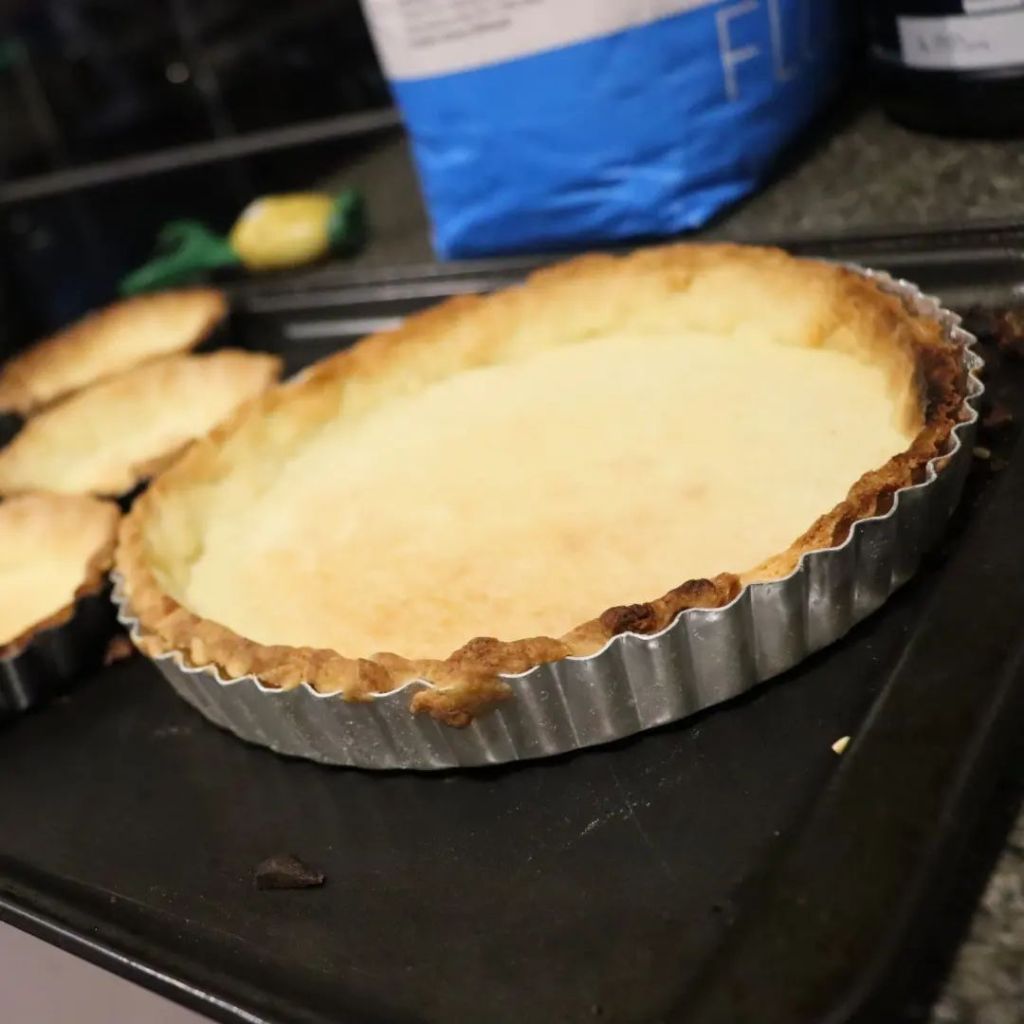
Place into a pre warmed 210c oven and bake for 5 minutes until edges have started to colour, then remove blind bake and paper.
Continue to bake for a further 6 or so minutes until the pastry shell is cooked through.
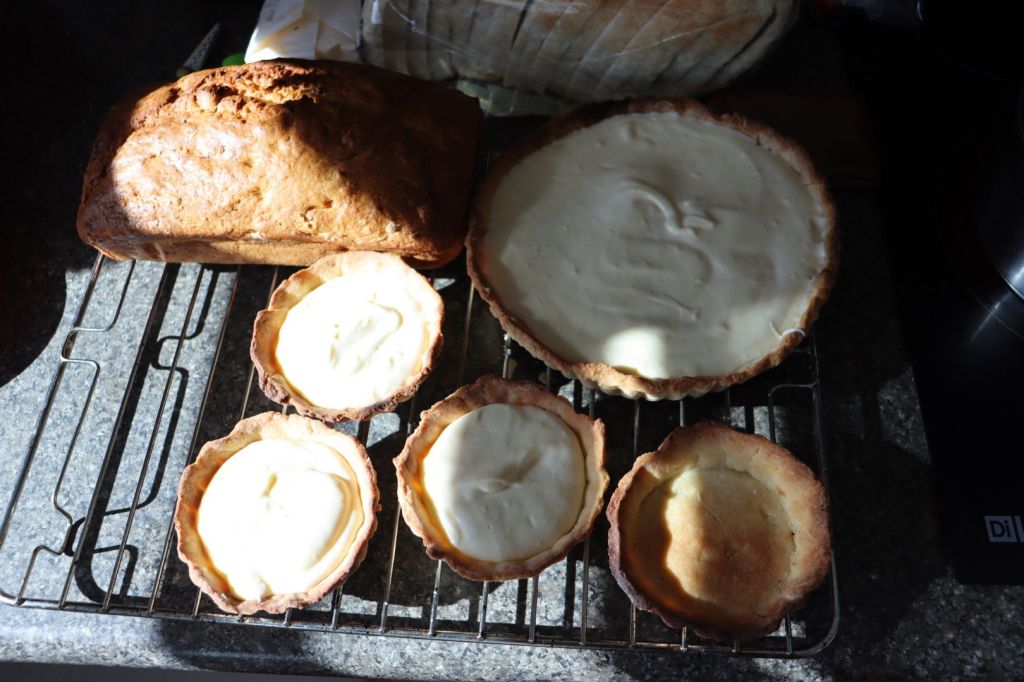
Allow to cool and fill as desired.
#Pickle pro-tip: The softer your butter is when kneading the dough, the easier the job will be, but don’t let the butter split. The fat layers of the butter, layered with the flour, give the dough rise, making it airated, and most importantly, crumbly.

 Tales of a Tassie Chef