
Anglaise is one of my favourite sauces to make. It requires some skill, as you cant let your eggs yolks scramble by getting to hot, but you have to heat them enough to make sure your sauce thickens. I would suggest having double your ingredients on hand so you can try again when you mess up your first try. I know a few kitchen veterans that grab a thermomixer if they have to make this sauce, so there is a good chance you’re gonna fuck it up to doing it the old school way. Only the real players can make custard like this 😉
Ingredients
7 egg yolks
200ml milk
400ml cream
1/4 c sugar
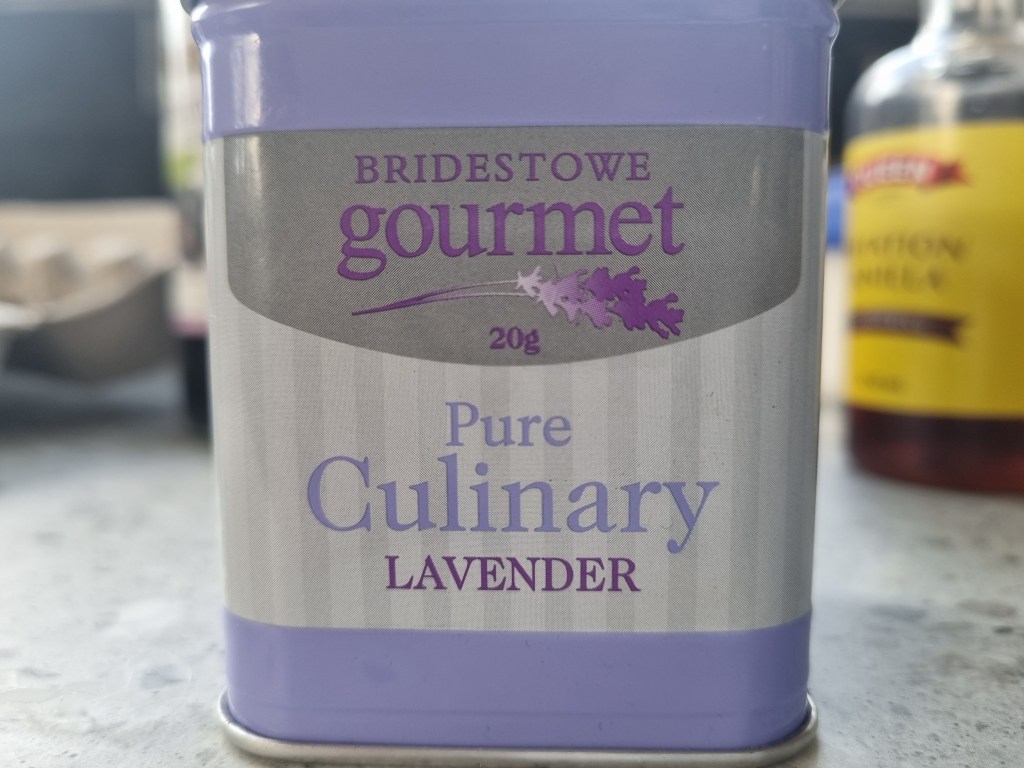
1 Tbsn culinary lavender
50ml black current syrup
Vanilla essence (real deal vanilla bean is preferred if you’re a big spender)
Apparatus
1 heavy based pot
1 whisk
1 flat ended wooden spoon
1 strainer
1 chef spoon
1 measuring jug
Cup and spoon measurements
Method
Place your cream, milk, vanilla, lavender and sugar into a heavy based pot and gently bring to a simmer. If you went and bought a vanilla bean because your a master chef, be sure to open her up and scrape out the vanilla from inside the pod, then dump the lot into your warming liquid.
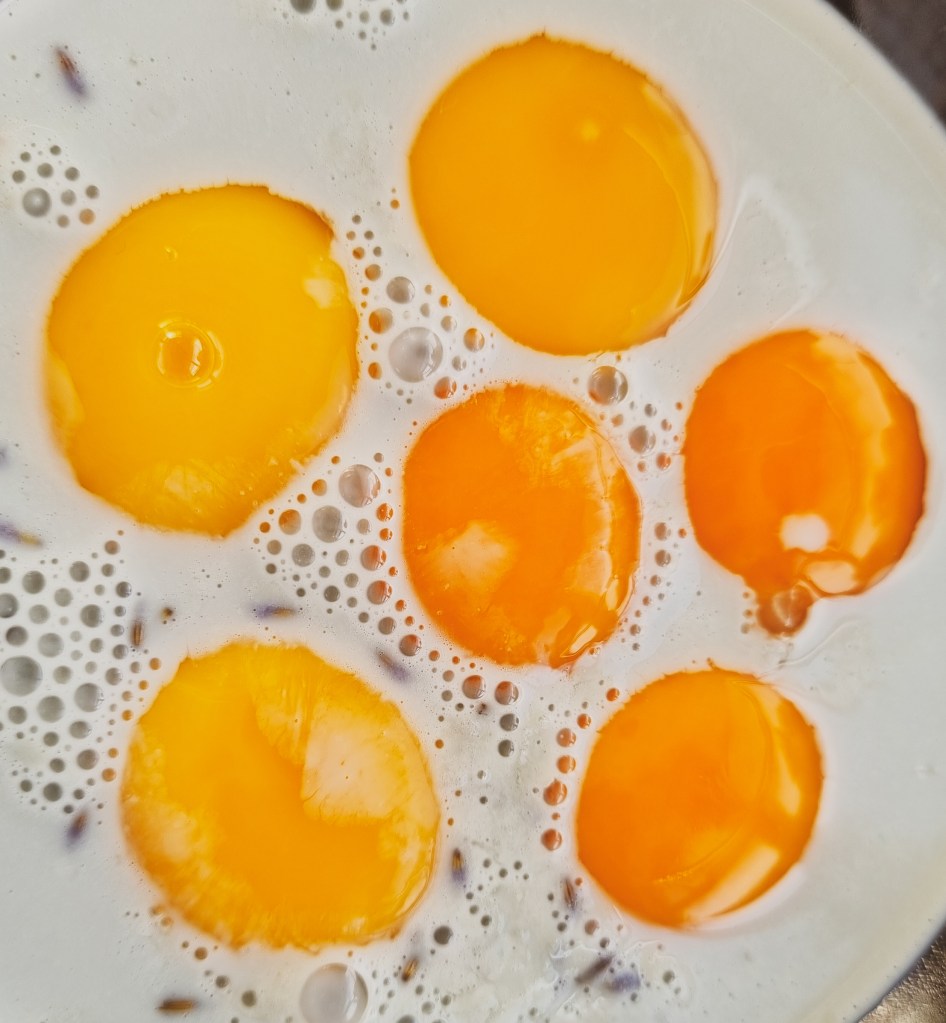
Have your separated egg yolks waiting in a big enough bowl to take on the dairy infusion. Once your dairy infusion has reached a simmer, roughly 80 degrees celsius, remove it from the heat, place a lid over the top and allow it to steep for 30 minutes.
Strain your milk infusion, then pour it into your bowl of egg yolks. Only add about a quarter of the liquid to begin with, as sometimes parts of your yolks will scramble given the infusion is still warm. This can sometimes create chunks of egg in your sauce, as well as reducing the thickness of the finished custard. Adding in small increments tends to prevent the undesired affect of cooked yolk specks in you sauce.
Once you have incorporated all of the infused liquid in with the yolks, place your infusion into a clean pot and get it onto the stove at a medium temperature.
Now this is the hard part. Still your sauce continually, scraping every orifice of the base of the pot. Do not do anything else, just stir and scrap the pot for 10 to 15 minutes. No Facebook, no home and away, and no side track conversations about the neighbours cat that are gonna make you leave your upcoming deliciousness unattended. If you know how to make scrambled eggs, then you know what you don’t want.
At 68c, this sauce will start to thicken, and once it creeps over 82c, the egg compounds will start to scramble. I switched onto this process relatively quickly when I learned how to make it a many football seasons ago, but I still get caught out occasionally if I try to multi task and don’t stir the fucking pot! Just stir it please, and do not stop, until the sauce is thick enough to coat the back of your wooden spoon.
It is generally good form to pass it through a strainer when you are happy the sauce resembles a thick, but runny custard. If you do start to scramble the sauce, you can strain out the scrambled parts and try again in a clean pot. If you continue to try and cook the sauce with scrambled compounds in it, the other non-scrambled compounds tend to scramble more easily. Treat the scrambled egg compounds like cancer, remove them before they spread.
Place your anglaise into a practical sized container for storage and use as desired. The sauce is best served hot, and if you want to heat it, it would be practical to warm it in your microwave in small increments (10 seconds), while stirring after every zap of the microwave.
#Pro tip- Most European chefs I have done this sauce around are flabbergasted that us Australians perform this job directly over heat. Doing this sauce over a water bath will generally give you better success rate, yet it takes a lot longer. Use a water bath if you continually fail and your resilient streak is strong.

 Tales of a Tassie Chef
One thought on “Lavender anglaise”