‘Who keeps dropping all these sticky lumps all over the kitchen floor kids’ my old man would protest, on numerous occasions.
‘Not me, dad’ one of my sisters proposed.
‘Not me either’ another sister proclaimed.
‘I would have cleaned it up Dad, if it was me’ I would usually respond,nervously!
I would always plan to clean up all the drops of emulsified honey and butter that would drip out of the bottom of my well toasted crumpets before my old man got his feet and toes stuck on them. I always double toast my crumpets, until the rims were golden and the top parts of the aerated, cooked crumpet centre were also golden brown. Without this depth within the cooking process of ones crumpet, then the coagulated honey and butter just did not have the same effect once it had reached my palate!
It is a purely blissful experience! A perfect combination in the mind of an eight year old. I would later learn that such a thing is called balance. Flavour? Tick! Texture? Tick! Satisfaction? Tick!
While I would also learn as a child that not cleaning up the droplets of sticky honey from all over the kitchen floor while scooting about with my delicacy would get me into trouble. It was always worth it though.

…
The sweet delicacy known as honey, is a viscous food produced by most bees, and a few genus of wasps. Mankind is known to have been collecting honey since before 6000 BC, as depicted in paintings found in the Cuevas de la Arana caves, in Spain. While one of our oldest fermented beverages, Mead, is produced from fermented honey, water and other fruits and flavourings.
There are three types of bees that congregate within a bee hive, yet only one of these bees is involved in the production line of preparing and making honey. You have the queen, who produces the larva. The male bees, who do next to nothing. And then there are the worker bees, the ladies of the house, who take care of all things honey!
The worker bees head out, eating nectar from the flowers of plants (while also cross pollinating many varieties of plant, fruit and vegetable species, and hopefully my gem corn), while in some places, they poach nectar from a few insect species, including the Honey dew (a genus of Ant). A bees intrinsic aspirations for consuming nectar lie within the fact that the nectar contains a very basic from of carbohydrate, therefore making it a great source of energy to hum around on. Once the bees have had a gut full (up to 40 mg, gathered from upto 1000 flowers), they return to their hive and spew up the nectar, in order to initiate the process of turning their acquired nectar into honey.

While the bees hold the nectar in their gullets, the bees natural salivary enzymes and proteins mix with the nectar, hydrolyzing the sucrose present within the nectar. This part of the process turns the nectar into a mixture of glucose and fructose, while also breaking down and removing other starches and proteins present within the nectar. This process also increases the acidity of the honey. They repeat this process, time and time again, while gradually funneling the transitioning nectar to their holding cells, which are those cool looking hexagon shaped wax structures that they are very well known for. This process of turning nectar into honey, is intrinsically motivated by not wanting to starve to death over winter time. The low temperatures associated with winter months, and the lack of flowers flowering at that time of year make food storage a necessity that the bees, human beings, and many species have enjoyed for many a millenia. The juvenile bees, and the bee larvae, also enjoy a good lick of honey while they are growing up. Part of this process of mixing the bees natural enzymes, or glucose oxide to be more specific, with the nectar, creates two by products: Gluconic acid and hydrogen peroxide. This nectar transitioning process is part of what helps to enable honey to withstand the test of time without fermenting or spoiling, provided no impurities or foreign contaminants make their way into the honey. It is commonly accepted that due to the honeys low water content, and the bees incorporated enzymes, that honey can last well over 1000 years, if sealed within the correct environment.
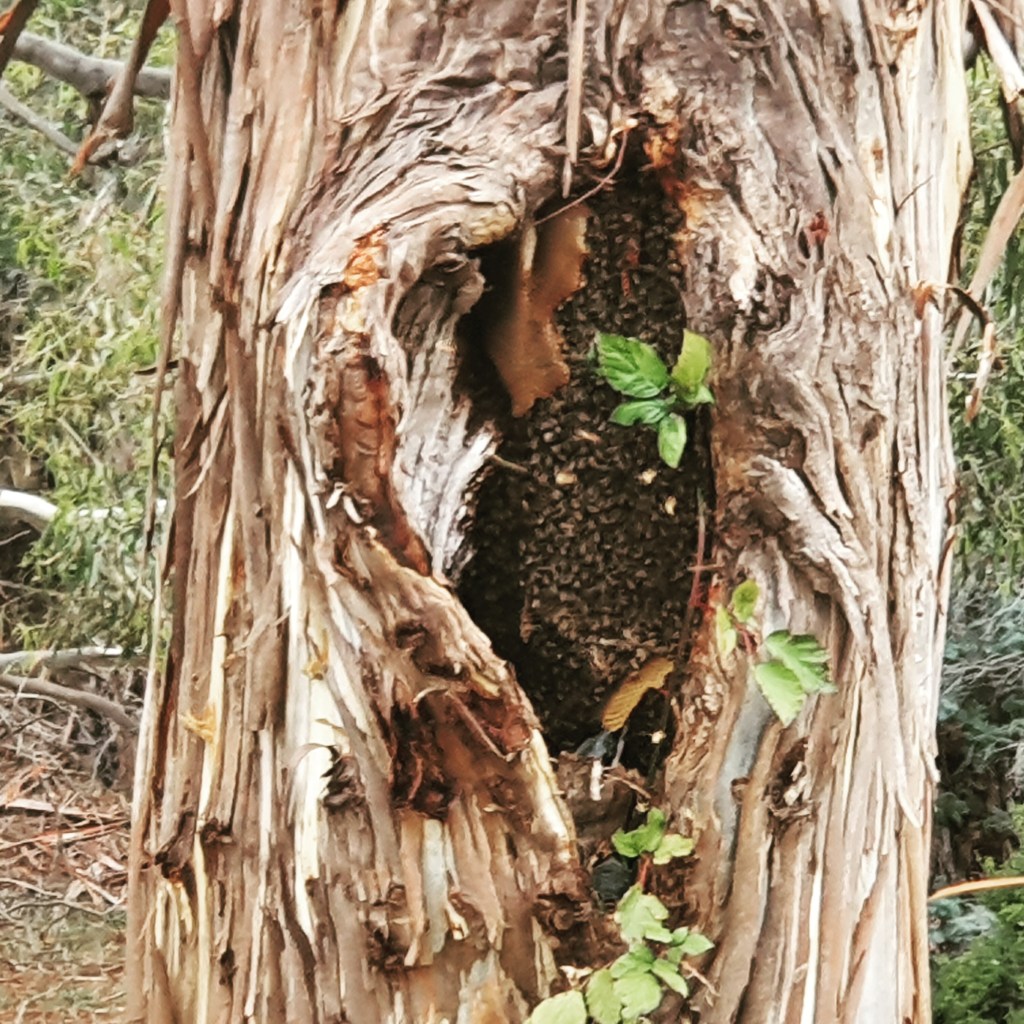
Honey can be found in the wild, all over the world, and my son and I often go and check out a couple of local hives. While for commercial purposes, bees have been domesticated on farms, so we can enjoy honey whenever we like. Honey can be found in medicine, many food products, or you can just grab a tub of one of the many pure honey varieties available, found in many shops and markets all over the world. As previously mentioned, the pureness and simplicity of the carbohydrates found within honey make it a supreme energy source. Honey was a vital component to many hunter gatherer tribes in our early days of civilization, as it is a pure and natural energy boost, therefore making it easily assimilated by our digestive systems. Wild honey, and bee larvae, is still widely consumed by indigenous tribes world-wide.
Worldwide in 2018, the human race produced roughly 1.9 million tons of this sticky delicacy. China was top of the mountain with 24% of the worlds production of honey, followed by Turkey, Argentina and Iran making notable production appearances.
In Greek mythology, Bees where said to be messengers from the gods, while their honey was said to bestow those that consumed it with wisdom and poetry. In the Iliad and odyssey of Homer, it was foretold that the gods of olympus lived on honey, nectar and honey wine (Ambrosia). In Greek, the word nectar means ‘victory over death’, while Ambrosia stands for ‘immortality’. The ancient doctor Hippocrates even prescribed honey to those suffering from fever and other wound related injuries.
We have a whole section of medicine dedicated to honey, titled apitherapy, that is focused on utilizing the benefits that are associated with honey. Although these benefits are not scientifically supported.

One of the only alcoholic beverages that was kept in my home as a child was Drambuie. This Scotch whisky is distilled incorporating honey, herbs and spices. It was the first alcohol that I generally had a go at growing up, while trying to be cool and get drunk like my elder siblings. As a young teenager I always thought it tasted like shit, but in hindsight, after spending around 20 years in kitchens working with food, this early exposure to an intensely flavoured honey derivative has given my palate a keen sense to what tastes good and what doesn’t! I am surprised I have not seen it utilized more frequently in kitchens over my journey. But then again, I do not know many people whose father used to use a honey whisky to numb his well worn gums after 50 odd years of gnawing on meat and three vegetables. Safe to say I have a few ideas up my sleeve with Drambuie moving forward.
Honey can be a tricky, as well as sticky, commodity to incorporate into ones dish or recipe, as it tends to burn easily and gets stuck to everything. Researching for this article has led me to believe that honey gets its sticky viscosity from the fact it has a very low water content, as well as the high proportion of glucose and fructose. Chefs predominantly use honey in the preparation of sweets and desserts, while it also a great additive for braised meats or vegetables: Honey carrots or glazed ham for mine.
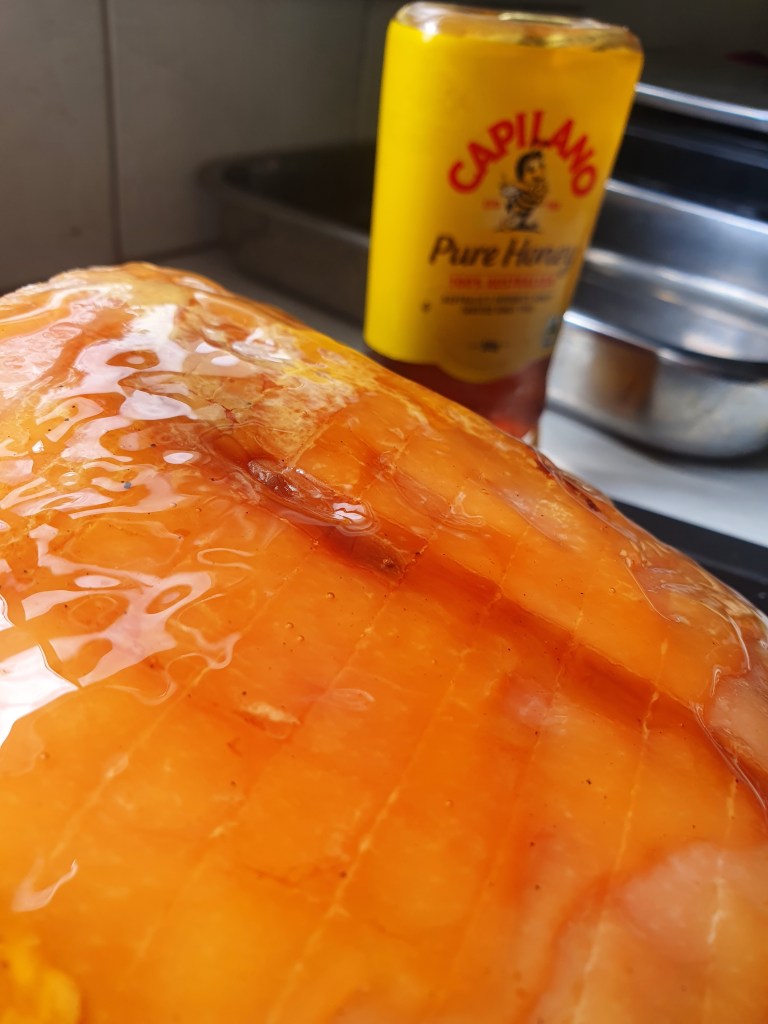
Honey is another delicacy produced in abundance around tasmania, with many varieties of locally produced honey products everywhere you go! 41 degree south do a great Ginseng honey, then there is The Tasmanian Honey company, located in Perth, West Bee Honey, harvested from wild honey, and I picked up some of St John Bees honey while researching and playing with honey for this article. Infused, pure or still stuck in its natural wax casing, you can find great local suppliers all over the state.
I do not eat crumpets often, like I used to growing up, but you can be assured I usually always have a tub of honey in the pantry.
While as far as leaving crumby remnants on the floor after eating, be it honey or anything else, I am still prone to leaving a few traces of my gastronomic indulgences around the place, be it honey or otherwise. Just ask anyone who knows me!

 Tales of a Tassie Chef